Every second counts during a cardiac arrest, and for rescuers, the goal is not just to restart a heart but to restore life in a meaningful way. This is where ROSC, or Return of Spontaneous Circulation, comes into play. ROSC represents a critical milestone in resuscitation efforts, signaling that the patient’s heart has resumed beating effectively on its own. Recognizing and managing ROSC correctly can dramatically improve survival rates and long-term outcomes. Understanding this concept is essential for anyone trained in CPR, emergency response, or healthcare, as it guides the next steps in patient care and ensures that life-saving interventions are continued appropriately.
What Does ROSC Mean in CPR?
ROSC is defined as the return of a palpable pulse and effective blood circulation in a patient following cardiac arrest. It indicates that the heart has regained its ability to pump blood sufficiently to maintain organ perfusion. Signs of ROSC can vary, but key indicators include a detectable pulse, rising blood pressure, improved skin color, spontaneous breathing, and even signs of consciousness. Being able to recognize ROSC during CPR is crucial because it marks a transition from active resuscitation to post-resuscitation care. Observing these signals quickly allows rescuers to adjust their actions and optimize outcomes.
Do You Continue CPR After ROSC?
Recognizing ROSC during resuscitation requires careful assessment. While CPR and defibrillation are ongoing, rescuers should periodically check for a pulse and monitor for any spontaneous movements or breathing. Effective ROSC is often subtle at first; a faint pulse or shallow breaths may be the first sign that the heart is responding. Experienced responders rely on both observation and monitoring equipment, such as cardiac monitors or pulse oximeters, to confirm the return of circulation. Training emphasizes the importance of these assessments to ensure that no early signs are missed and no time is wasted.
Do You Stop CPR if ROSC?
Once ROSC is suspected or confirmed, the next question is whether to continue CPR. This is a critical decision point. CPR should not be stopped prematurely, as ROSC may be transient. If the heart is beating but the patient remains unstable, rescuers must continue support while closely monitoring vital signs. Pausing only to reassess and confirm that spontaneous circulation is sustained ensures patient safety. In cases where ROSC is not maintained, CPR must be resumed immediately. This balance between action and reassessment requires both knowledge and confidence, which is why proper training is so valuable.
Taking Care of Patients Following ROSC
Immediate Post-ROSC Care (First Minutes)
When ROSC is confirmed and sustained, CPR can be safely paused. However, this does not mean the emergency is over. Immediate post-ROSC care is vital to stabilize the patient and prevent further complications. The first minutes following ROSC focus on ensuring adequate oxygenation, maintaining blood pressure, and protecting the brain from injury. Careful monitoring, oxygen administration, and positioning can make a significant difference in survival and neurological outcomes. The patient may also require advanced airway management, intravenous medications, or defibrillation if arrhythmias persist.
Optimizing Brain Recovery
Optimizing brain recovery is one of the most important aspects of post-ROSC care. Oxygen deprivation during cardiac arrest can lead to brain injury, so interventions that ensure proper oxygen delivery and limit further damage are critical. Maintaining stable blood pressure, correcting metabolic imbalances, and preventing hypoxia all contribute to better long-term outcomes.
Cardiovascular Stabilization
Cardiovascular stabilization is also essential, as the heart may still be vulnerable after a prolonged arrest. Continuous monitoring, appropriate medications, and careful fluid management help prevent re-arrest and support recovery.
Preventing Re-arrest
Long-term post-ROSC considerations extend beyond immediate survival. Patients may require intensive care, neurological assessments, and rehabilitation to address any deficits resulting from the cardiac arrest. Coordination between emergency responders, hospital staff, and family members ensures that care continues seamlessly from the scene to advanced medical treatment. Understanding the trajectory of recovery after ROSC allows caregivers to anticipate needs and support patients both physically and emotionally.
Why Proper Training Makes the Difference
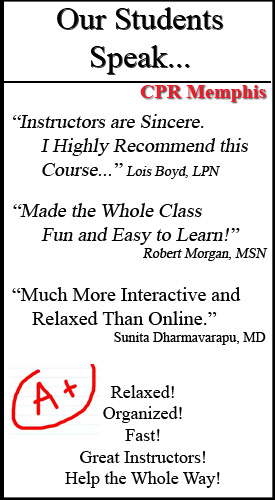
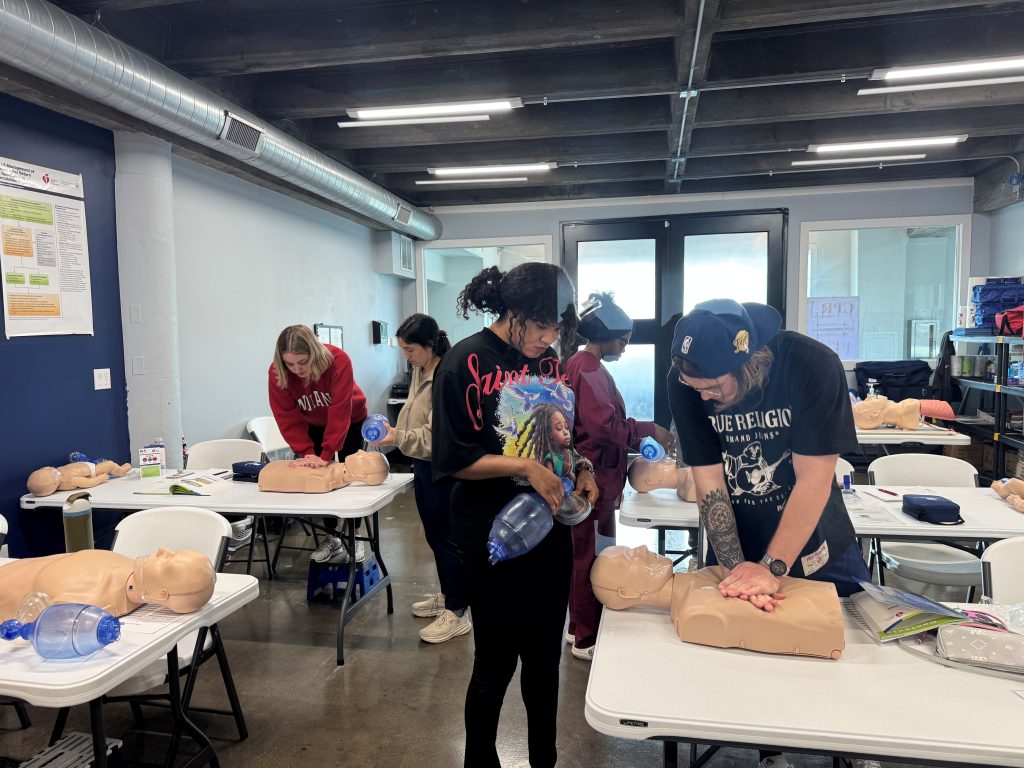
Proper training is the cornerstone of effective ROSC management. Courses that teach CPR, advanced cardiac life support, and post-resuscitation care provide responders with the knowledge and hands-on experience necessary to act confidently in high-pressure situations. At CPR Memphis, our courses are designed to empower learners with practical skills and real-world scenarios. We focus on American Heart Association-certified training, including BLS, ACLS, PALS, and comprehensive CPR and First Aid. Our teaching philosophy emphasizes skill retention, scenario-based learning, and the confidence to make critical decisions when seconds matter.
FAQs About Understanding ROSC: How to Save a Life
- What does ROSC mean, and why is it important? ROSC stands for Return of Spontaneous Circulation, which occurs when the heart begins beating effectively again after cardiac arrest. Achieving ROSC is the primary goal of CPR and advanced cardiac life support. It represents the critical moment when a person’s heart restarts, and blood begins circulating through their body again. Understanding ROSC helps rescuers recognize the signs of successful resuscitation, including the return of a pulse, normal breathing, and improved skin color. The faster ROSC is achieved, the better the chances of survival and reduced brain damage.
- How do CPR and BLS training help achieve ROSC? CPR and BLS (Basic Life Support) training teach you the essential skills needed to maintain blood flow and oxygen delivery until ROSC occurs. Through high-quality chest compressions, proper rescue breathing, and correct AED use, trained individuals can significantly increase the likelihood of achieving ROSC. BLS classes teach you to recognize cardiac arrest immediately, call for help, perform effective compressions at the right depth and rate, and use an automated external defibrillator. These skills work together to give the heart the best possible chance of restarting.
- What are the signs that ROSC has been achieved? Healthcare providers and trained rescuers can identify ROSC through several key indicators: the return of a detectable pulse, spontaneous breathing or gasping, purposeful movement, improved skin color (less gray or blue), and rising blood pressure. During CPR, sudden increases in end-tidal CO2 readings on monitors can also signal ROSC. However, it’s crucial to continue monitoring because ROSC can be temporary. Even if these signs appear, trained providers know to stay prepared to resume CPR if the person’s heart stops again.
Conclusion and Call to Action
Understanding ROSC transforms CPR from a mechanical process into a life-saving mission with a clear goal. When you know what you’re working toward—that critical moment when the heart restarts—every compression and breath becomes more purposeful. The knowledge and confidence to achieve ROSC don’t come from reading alone; they come from proper training and hands-on practice.
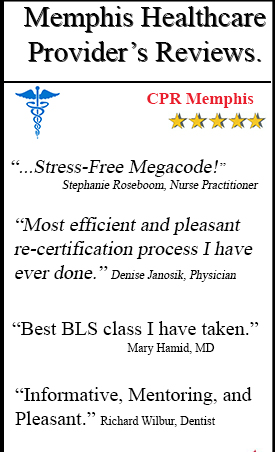
Ready to become someone’s hero? CPR Memphis makes it easy to gain the skills that save lives. Our American Heart Association-certified instructors provide stress-free, hands-on training that prepares you for real emergencies. Whether you need CPR certification in Memphis for your profession or want to be prepared to help family and friends, our BLS classes in Memphis give you the confidence to act when seconds matter.
Don’t wait until an emergency happens. Enroll in a class today at CPR Memphis and join the community of trained lifesavers who know how to achieve ROSC and bring someone back from cardiac arrest. Visit our training site or call us now to schedule your certification—because the life you save could be someone you love.